Islington Council garden waste rules explained for Barnsbury
If you live in Barnsbury and your garden seems to generate a never-ending pile of clippings, leaves, branches, and the odd stubborn ivy root, you are not alone. The rules around garden waste can feel strangely unclear until you need them in a hurry. This guide gives you a plain-English breakdown of Islington Council garden waste rules explained for Barnsbury, with practical advice for sorting, storing, and managing green waste without creating extra hassle for yourself or your neighbours.
We will cover what garden waste usually means, how collection expectations typically work in a London borough setting, the mistakes that cause the most trouble, and the best ways to prepare your waste before disposal. You will also find a checklist, a comparison table, and a realistic example from a Barnsbury garden. Nothing fluffy. Just the useful stuff.
Why Islington Council garden waste rules explained for Barnsbury Matters
Garden waste sounds simple until you are standing over a heap of cuttings on a damp Sunday afternoon, wondering what can go where. In Barnsbury, space is often tight, gardens are compact, and shared access can make waste handling more awkward than it looks on paper. That is why getting the rules right matters. A small misunderstanding can lead to overflowing bags, missed collections, or garden waste being mixed with household rubbish by mistake.
There is also a wider practical reason. When garden waste is separated properly, it is much easier to compost, recycle, or remove efficiently. That usually means less mess, fewer odours, and a cleaner garden boundary. And if you are trying to keep a front path tidy in a narrow terrace street, those details really matter. A couple of overfilled sacks can make a neat property look untidy fast. Let's face it, no one wants that.
For Barnsbury residents, the issue is not just disposal. It is planning. The better you understand how garden waste should be presented, the easier it becomes to schedule hedge work, lawn care, seasonal clear-ups, and pruning without building up an unmanageable pile. If your garden work is more involved, services such as regular garden maintenance or tree surgery can help reduce the amount of awkward waste you have to handle yourself.
Key takeaway: garden waste rules are not just administrative fine print. In Barnsbury, they are part of keeping a small urban garden workable, tidy, and easy to maintain week after week.
How Islington Council garden waste rules explained for Barnsbury Works
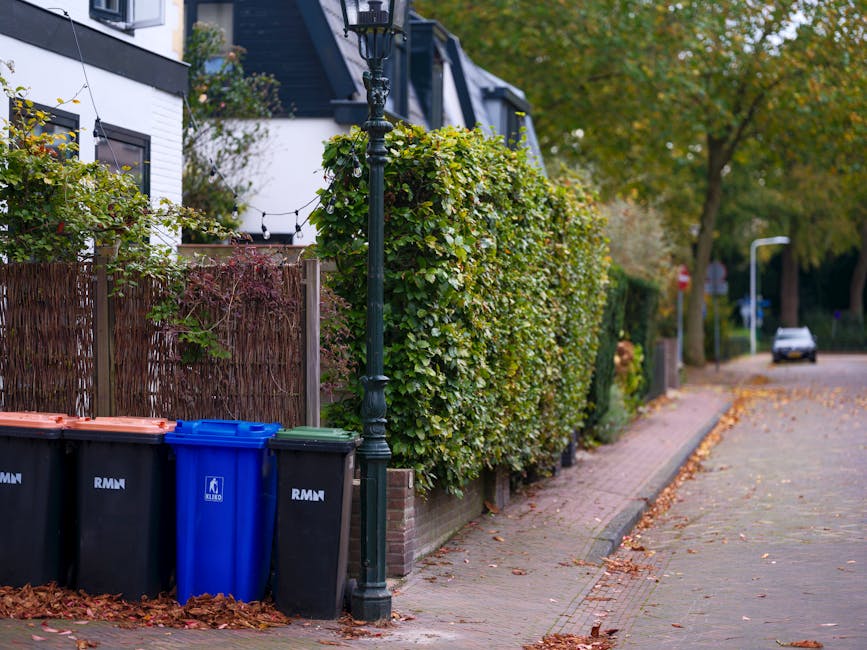
While council arrangements can change over time, the basic idea is usually straightforward: garden waste should be kept separate from general household rubbish and presented in the way the council specifies. In practice, that often means using approved containers, bundling or bagging waste sensibly, and making sure the material is purely green waste rather than a mixed load of soil, plastics, and broken pots.
Think of it like this: if you have trimmed a hedge, mown a lawn, and cleared a flower bed, those materials should not be thrown together with kitchen waste or leftover packaging. Grass cuttings, leaves, small prunings, plant stems, and weeds are the usual candidates for garden waste. Branches, thicker stems, and woody material may need to be cut down to a manageable size or handled separately, depending on local collection instructions. That is the detail people often miss.
In Barnsbury, another practical factor is property type. Flats with communal gardens, houses with limited storage, and streets with restricted frontage all influence how easy it is to store and present waste. If access is awkward, you may want to plan cutting days around collection times, rather than leaving bags sat outside for too long. Wet cuttings get heavy, bags split, and then you are dealing with a soggy little drama nobody asked for.
For larger overhauls, it can be useful to rethink the type of garden you keep. A low-maintenance layout can reduce waste volume over time, and ideas from low-maintenance garden ideas can help you avoid constant heavy clearance. In shaded corners, for example, the right planting mix can cut back on annual cut-and-remove cycles. Useful inspiration includes shade-tolerant shrubs and ground covers for UK gardens.
Key Benefits and Practical Advantages
Following the rules is not just about avoiding a nuisance. There are several real-world benefits, especially in a dense area like Barnsbury where outdoor space can be small and every bit of organisation helps.
- Cleaner storage: properly sorted waste is easier to keep tidy while you wait for collection or disposal.
- Less contamination: separating green waste from general rubbish improves the chance of proper recycling or composting.
- Fewer collection problems: incorrectly presented material is one of the most common reasons waste gets left behind.
- Better garden planning: if you know what waste will be created, you can time pruning, mowing, and hedge trimming more sensibly.
- More usable space: clearing waste quickly stops patios, alleys, and side returns from becoming temporary dumping zones.
There is also a quality-of-life benefit that is easy to overlook. A tidy system removes friction. You do not end up asking, "Where do I put this pile now?" every time you prune a rose or clear a border. That sounds small, but in a compact London garden, small things have a habit of becoming big annoyances.
If you manage a garden that produces a lot of seasonal debris, it may be worth looking at planting choices that naturally reduce waste. Evergreen climbers, controlled hedging, and container planting can all help reduce the annual cut-back workload. For example, evergreen climbers for shady corners can bring structure without constant replanting, while fast-growing hedges may need more frequent trimming but can deliver useful screening.
Who This Is For and When It Makes Sense
This topic matters to a wider group of Barnsbury residents than you might expect. It is not only for people with large gardens and compost bins out back. It is for anyone generating plant-based waste, including balcony gardeners, small front garden owners, and households that get help from a gardener or landscaping team.
It makes sense to pay close attention if you are:
- doing a seasonal tidy-up in spring or autumn
- cutting back hedges or shrubs after a strong growing spell
- clearing weeds, ivy, or invasive growth
- refreshing beds, borders, or containers
- planning a one-off garden clearance before a redesign
- trying to reduce clutter in a shared access area
It also matters if you live in a home with dogs or children using the garden. Fallen clippings, thorny stems, and leftover piles can become a nuisance fast. If you are designing a safer, more practical outdoor space, resources like family-friendly outdoor planning and gardening with dogs can be surprisingly helpful.
In short, if your garden creates waste, the rules apply to you. Simple as that.
Step-by-Step Guidance
Here is a sensible way to handle garden waste in Barnsbury without overcomplicating the process.
- Sort the material first. Separate green waste from anything non-organic. Remove pots, ties, plastic plant labels, broken canes, or bits of packaging.
- Reduce bulky items. Cut long stems, branches, and hedge trimmings into smaller pieces so they are easier to bundle or bag.
- Let wet waste drain if possible. Fresh grass cuttings and rain-soaked leaves get heavy quickly. A short drying period can make handling easier.
- Use the right containers. Bags, bins, or bundles should suit the type of waste and the council's current presentation rules.
- Keep soil and rubble separate. Soil, stones, and hardcore are usually handled differently from garden waste. Mixing them in is a common mistake.
- Stage the waste neatly. If collection happens on a particular day, place items where they can be seen and handled easily without blocking access.
- Follow up promptly. If something is missed, deal with it quickly rather than letting it sit out for days.
A useful habit is to build waste handling into the gardening job itself. Do not leave all the sorting until the end. When you are cutting hedges, clear as you go. When you are weeding, stack debris in one place. It saves time later and keeps the whole job calmer.
For larger gardens or overgrown areas, you may find it easier to pair disposal planning with actual maintenance work. Services like hedge trimming in Barnsbury or lawn care can help keep the waste stream more predictable. And if your space needs a reset, a planned garden maintenance visit is often less stressful than a once-a-year overhaul. Truth be told, yearly mega-clearances are where people most often get tripped up.
Expert Tips for Better Results
After enough garden jobs, you start seeing patterns. The same few habits make everything smoother.
- Trim in smaller sessions. A little and often is easier to manage than one huge weekend cutback.
- Separate by material type. Grass, soft cuttings, woody stems, and thorny material are easier to deal with if they are not mixed together.
- Keep a spare bag or two. Sounds obvious, but somehow people always run out right when the heap is biggest.
- Think about weather. A damp Monday can turn a manageable pile into a heavy, awkward mess by Tuesday morning.
- Reduce future waste at the design stage. Strategic planting, vertical features, and container layouts can lower ongoing maintenance demand.
One of the smartest long-term moves is to reduce the amount of material that needs frequent disposal in the first place. Urban gardens do especially well with layered planting and vertical use of space. If you are short on room, vertical gardening can keep things attractive without constantly generating piles of cuttings. For small or awkward corners, the right planting choices can also make a difference. That includes container gardening, which can be much easier to manage than broad beds full of aggressive spreaders.
And if the garden is already overrun, do not panic. A structured clear-up, then a better maintenance rhythm, usually gets things back under control without drama. Small wins matter. Very much so.
Common Mistakes to Avoid
The most common problems are usually boring ones, which is perhaps why people keep repeating them.
- Mixing garden waste with household rubbish. That creates contamination and can make disposal more difficult.
- Leaving hidden non-green items inside the pile. Plastic ties, metal plant supports, and broken terracotta are easy to overlook.
- Overfilling bags. Heavy bags split, and once they do, you are left with a mess on the pavement or path.
- Putting out waste too early. That can make your frontage untidy and can become a problem if weather moves in.
- Ignoring bulky woody material. Thick branches often need different handling from soft cuttings.
- Assuming all green material is treated the same. Soil, turf, hedge clippings, and woody debris may not all be handled identically.
One more thing people miss: weed waste and invasive material deserve extra care. If you are dealing with persistent weeds, especially around borders and paving, it is worth using a more deliberate approach. Advice from weed control guidance and ivy removal strategies can help stop the same material from coming back stronger next month.
Oh, and one small human truth: the "I'll sort it later" pile is almost never the best idea. It grows legs. Somehow.
Tools, Resources and Recommendations
You do not need a shed full of gear to manage garden waste well, but the right few tools make a real difference. In Barnsbury, where space is often limited, compact and versatile tools are especially useful.
Consider keeping these to hand:
- strong garden sacks or reusable waste containers
- secateurs for light pruning
- loppers for thicker stems
- a small rake for leaves and loose debris
- gloves that can handle thorny or rough material
- twine or reusable ties for bundling branches
- a wheelbarrow or garden trug if access allows
For those starting from scratch, a practical toolkit makes a real difference to how tidy the process feels. The article on indispensable tools for gardeners is useful if you want to build a simple, non-fussy setup. If your garden work involves bringing surfaces back to life after hedge pruning or clearing, you may also appreciate patio cleaning and landscaping support to help the space feel finished again.
There are also good planning resources that help you reduce waste at source. For example, turning garden waste into soil is a smart route if you want to compost soft, suitable material rather than carting everything away. Likewise, sustainable gardening can make disposal feel less like a chore and more like part of a responsible routine.
Law, Compliance, Standards, or Best Practice
Garden waste handling is not just a question of convenience. There are broader UK expectations around waste separation, responsible disposal, and avoiding nuisance on public footpaths or shared areas. You do not need to become a legal expert, but you do need to follow the council's current presentation and collection rules carefully.
Best practice in this area usually means:
- keeping green waste separate from general rubbish
- not placing prohibited items in garden waste containers
- presenting waste only when and how the council allows it
- avoiding loose waste that can blow around or block access
- storing waste safely on private property until it is ready to go
If you hire help, good contractors should work neatly, leave access routes clear, and deal with waste in a way that does not create headaches for you afterwards. That is part of basic professional housekeeping, not a nice extra. If you are comparing support options, it may help to review health and safety information, insurance and safety details, and terms and conditions so you understand how work is handled.
Best practice also overlaps with garden design. If you reduce dense, high-maintenance planting where it is not needed, you reduce waste volume and disposal stress. A cleaner design is often a quieter life. Simple, but true.
Options, Methods, or Comparison Table
Different gardens need different approaches. Some Barnsbury households will rely on council collection routines. Others may prefer smaller DIY clear-ups or professional support after bigger pruning jobs. Here is a practical comparison.
| Method | Best for | Advantages | Limitations |
|---|---|---|---|
| Regular council-style garden waste handling | Routine clippings, leaves, light pruning | Simple, tidy, predictable | Needs good sorting and correct presentation |
| DIY composting | Soft green waste and leaf matter | Reduces disposal volumes, improves soil | Not suitable for everything, needs space and patience |
| Professional garden clearance | Overgrown plots, one-off resets, hedge-heavy jobs | Fast, thorough, less physical effort | More planning required, depends on the scope of work |
| Mixed approach | Most Barnsbury gardens | Balances convenience with control | Requires a bit of organisation |
In practice, a mixed approach is often the sweet spot. You compost what you can, use the council route for routine green waste, and bring in help when the garden gets ahead of you. That way, the system stays manageable instead of becoming a monthly headache.
If your outdoor space needs more than waste handling, a wider refresh can help. Options like lawn mowing, lawn care, and general gardening services can support a better overall routine. For larger jobs, tree surgery or fencing work may create waste that needs careful staging, so planning ahead really pays off.
Case Study or Real-World Example
Imagine a Barnsbury terrace garden in early autumn. The owner has a small lawn, two hedge lines, a patch of ivy on the rear wall, and a couple of raised planters that have gone a bit wild after summer. Nothing dramatic. Just a normal city garden that got a little enthusiastic while nobody was looking.
The first attempt at clearance creates three piles: soft clippings, woody trimmings, and a mixed bag of old twine, dead plant labels, and a cracked planter pot. That mixed bag is where the trouble starts. It is heavier than expected, awkward to lift, and not really suitable for green waste handling as-is. The smarter move is to split everything properly, trim the woody bits down, and keep the non-organic items separate.
Once the waste is sorted, the owner decides to reshape the garden for less maintenance. A few dense shrubs are replaced with lower-growth planting, the ivy is reduced and monitored, and the hedge line is trimmed more regularly rather than left to explode each season. The result is not just a tidier garden. It is a simpler one to live with. Less mess. Less panic. Better flow. And, honestly, a nicer cup-of-tea view from the kitchen window.
That is the real point of understanding the rules. They help you build a system, not just clear a pile.
Practical Checklist
Use this before you put any garden waste out for collection or take it to the next stage.
- Have I separated green waste from household rubbish?
- Have I removed plastic, metal, glass, and planter fragments?
- Are branches and stems cut down to a manageable size?
- Have I kept soil, rubble, and stones out of the garden waste pile?
- Are the bags or containers not overfilled?
- Will the waste stay neat and safe until collection?
- Have I checked the current council instructions before setting it out?
- If the job is large, have I planned help or a phased clearance?
- Could any of this waste be composted or reused instead?
- Have I made sure paths and shared access points remain clear?
If you can tick most of those off, you are already ahead of the game. Not glamorous, but effective. And that counts for a lot in a real garden.
Get a free quote today and see how much you can save.
Conclusion
Understanding Islington Council garden waste rules explained for Barnsbury is really about making garden care simpler, cleaner, and less stressful. Once you know how to separate waste, present it sensibly, and avoid the usual mistakes, the whole job becomes much more manageable. Your garden stays tidier. Your access stays clear. And those little seasonal clear-ups stop turning into half-day frustrations.
For Barnsbury homes especially, the best approach is usually a practical one: keep the waste stream small, choose low-maintenance planting where possible, sort materials properly, and build a routine that fits the shape of your garden. If you do that, you will spend less time wrestling with cuttings and more time actually enjoying the space. Which is the point, really.
And if your garden needs a proper reset rather than another patch-up, there is no shame in getting a bit of help. Sometimes the smartest move is simply to make the job easier before it gets bigger. That is just good gardening.
Frequently Asked Questions
What counts as garden waste in Barnsbury?
Garden waste usually means organic material from normal gardening work, such as grass cuttings, leaves, hedge trimmings, small branches, weeds, plant stems, and dead plants. Mixed rubbish is different and should not be included.
Can I put soil in my garden waste?
Often, soil is treated differently from green garden waste. It is best to check the current council guidance before mixing soil with plant material, because soil can be classed as a separate waste stream.
What should I do with branches and thicker prunings?
Cut them down to a manageable size if needed, and keep them separate from soft clippings. Woody material is harder to process than leaves or grass, so neat bundling usually works better than stuffing it into a bag.
Can I mix weeds with other garden waste?
Usually yes, if they are purely organic and free from contaminants. But if the weeds are invasive or packed with soil, it is sensible to handle them carefully and not overload the bag.
Is it better to compost garden waste instead of putting it out?
If you have the space and the right material, composting is a great option for soft green waste. It reduces disposal volume and gives you useful compost later. Hard woody material and contaminated waste are less suitable.
What is the biggest mistake people make with garden waste?
The most common mistake is mixing garden waste with plastics, pots, ties, or general rubbish. Overfilled bags are another frequent problem. Both can make disposal much more difficult than it needs to be.
How can I reduce the amount of garden waste I produce?
Choose lower-maintenance planting, prune regularly instead of waiting for large overgrowth, and consider structural planting like climbers, ground covers, or containers. A well-designed garden usually creates less waste over time.
Should I leave garden waste out early for collection?
Only if that fits the current collection arrangements. Leaving waste out too early can make your frontage look untidy and may create access issues, especially on narrow Barnsbury streets.
Do professional gardeners handle waste for me?
That depends on the service and the agreement in place. Some jobs include waste handling or removal, while others may not. It is always worth clarifying before the work starts so there are no surprises later.
What if my garden waste collection is missed?
First, check whether the waste was presented correctly and whether it contained anything that would cause it to be left behind. If it still seems unresolved, follow the council's usual process for reporting a missed collection.
Is it worth hiring help for a big garden clear-up?
If you are facing dense hedge cuttings, tree work, ivy, or a long-overdue tidy-up, hiring help can save time and reduce physical strain. It is especially useful when access is awkward or waste volumes are high.
How do I know whether my garden is becoming too high-maintenance?
If you are constantly clearing, bagging, and moving waste without seeing lasting improvement, the design may be working against you. That is usually a sign to simplify planting, reduce dense growth, or rethink the layout a bit.
Where can I get help if my Barnsbury garden needs more than waste handling?
If the issue goes beyond disposal and you need practical support with pruning, clearance, or ongoing care, it may be worth looking at broader gardening support and maintenance options on the site. The right help can make the whole process much less stressful.