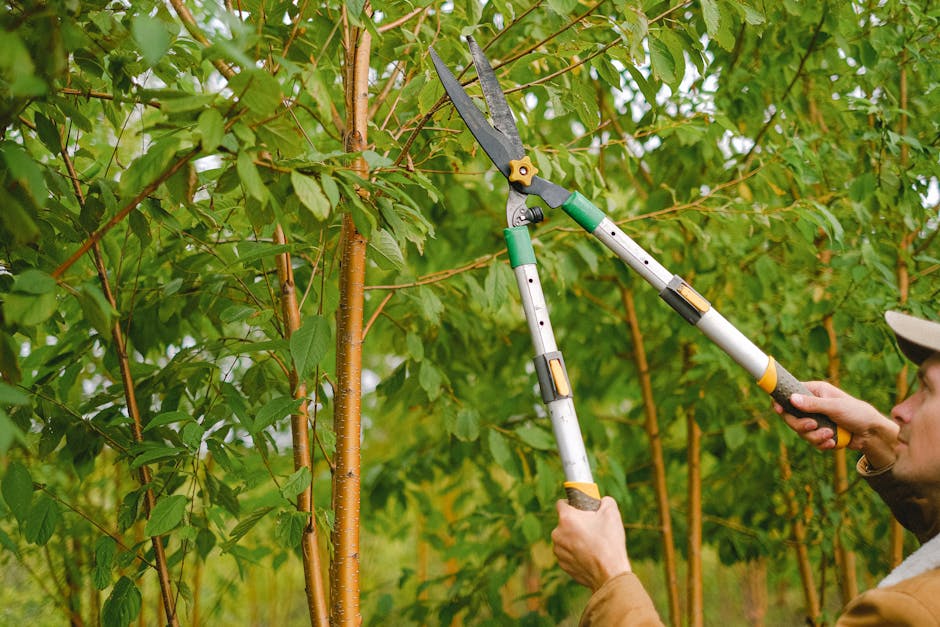
What to know about tree work permits in Barnsbury with gardeners
If you are planning tree work in Barnsbury, the permit side can feel a bit like the awkward bit nobody tells you about until the ladder is already out. One minute you are thinking about pruning, shaping, or removing a problem tree; the next you are wondering whether permission is needed, whether the tree is protected, and who is actually responsible for checking. That is exactly why understanding What to know about tree work permits in Barnsbury with gardeners matters before anything is cut, reduced, lifted, or removed.
In this guide, we will walk through the practical side of tree work permissions in plain English: when consent may be needed, how the process usually works, what can go wrong if you skip checks, and how a local gardening team can help you handle the job properly. We will also cover the overlap between tree surgery, garden maintenance, and related services so you can make a sensible decision without the usual guesswork.
Table of Contents
- Why tree work permits matter in Barnsbury
- How the permit process works in practice
- Key benefits and practical advantages
- Who needs this and when it makes sense
- Step-by-step guidance
- Expert tips for better results
- Common mistakes to avoid
- Tools, resources and recommendations
- Law, compliance and best practice
- Options and comparison
- Case study or real-world example
- Practical checklist
- Conclusion
- Frequently asked questions
Why tree work permits matter in Barnsbury
Tree work is not always a simple garden task. In Barnsbury, a tree may sit within a conservation area, be protected by a Tree Preservation Order, or be part of a shared boundary situation where neighbours have a say. Even a straightforward-looking job can become complicated if the tree is legally protected or if the work affects wildlife, property lines, or safety.
That is the big reason permits matter: they help prevent unnecessary damage, fines, disputes, and stop-start jobs. A tree that looks ordinary from the pavement may have layers of protection behind it. To be fair, most homeowners do not wake up thinking about planning controls over sycamores and hornbeams. They just want the overhanging branch off the garage roof and the light back in the kitchen. Still, checking first saves time later.
There is also a quality angle. When a gardener or tree worker checks permissions properly, they are usually checking the tree's condition, the scope of work, access, waste removal, and whether the job should be handled as routine pruning or as more specialised tree surgery. That distinction matters more than people expect.
Expert summary: If a tree might be protected, assume checks are needed before work starts. The safest approach is to confirm the status first, then plan the work around it rather than trying to fix paperwork after the cut has been made.
How tree work permits work in practice
In practical terms, a permit or permission check for tree work usually starts with identifying the tree and the type of work you want done. The question is not just "Can this branch come off?" It is also "Is this tree protected, and does the planned work count as allowed maintenance or controlled work?" That distinction can change the whole process.
Gardeners in Barnsbury will often begin with a visual inspection and a conversation about the problem. Is the tree dead, leaning, blocking light, touching a wall, dropping debris, or causing root issues? Each of those situations can lead to a different approach. Some tasks may be straightforward trimming, while others may need formal permission or a more technical plan.
Usually, the process follows a few broad steps:
- Identify the tree species, size, position, and condition.
- Check whether the tree is protected or within a sensitive area.
- Work out whether the proposal is pruning, reduction, crown lifting, removal, or emergency work.
- Confirm what evidence or notice may be needed before work begins.
- Schedule the job in a way that fits access, safety, and waste handling.
If the work is more than a tidy-up, many homeowners benefit from speaking to a team that already understands local tree-related jobs, such as tree lopping and removal or broader gardening services. A good contractor will not rush past the permission question. They will slow down right there. Sensible, really.
One point that often gets missed: permission is not always the same as approval for every action on the tree. You may be allowed to do some work and not others. That is why clear scope matters. If your wording is vague, the job can go sideways fast.
Key benefits and practical advantages
Getting the permissions side right brings more than compliance. It also improves the outcome of the work itself.
- Less risk of penalties or disputes: You avoid the awkward situation of doing protected tree work without the right checks.
- Better planning: Once the scope is clear, the team can choose the right tools, timing, and access method.
- Healthier trees: Proper pruning and reduction are usually better than rushed cutting, which can stress the tree.
- Clearer budgets: A job that is scoped properly is easier to price. That helps with pricing and quotes.
- Neighbour-friendly results: Advance checks reduce tension when branches overhang shared spaces or property lines.
- Cleaner site management: Tree work usually produces waste, timber, and debris, so the logistics are easier when the work is planned well.
There is also peace of mind, which sounds fluffy until you have a half-finished job and a neighbour asking who authorised it. Nobody enjoys that conversation. A properly checked project tends to feel calmer from start to finish.
If the work forms part of a larger garden refresh, you may also want to combine it with garden maintenance or related clearance work. That can make the overall result feel more complete instead of leaving the tree job stranded in the middle of the space like a missing puzzle piece.
Who this is for and when it makes sense
This topic matters to a few different kinds of people in Barnsbury. If any of these sound like you, the permit side is worth checking before you book the work.
- Homeowners with mature trees close to the house, boundary, or pavement.
- Landlords and property managers who need to keep a site safe and presentable.
- Residents in conservation-sensitive streets where tree controls are more likely.
- People dealing with a damaged, diseased, or storm-affected tree and wondering whether urgent action is allowed.
- Anyone planning removal, heavy reduction, or crown reshaping rather than simple tidying.
It also makes sense if you are not sure whether the job is a garden task or a specialist tree task. Many customers start by asking for general gardening help and then realise the tree needs a more careful look. That is normal. In fact, a lot of good jobs start with a slightly vague request and sharpen up during the site visit.
If the surrounding outdoor space also needs reshaping, some homeowners pair tree work with landscape gardening or broader landscaping. That can help the tree fit the garden again, rather than looking like the only thing that changed.
Step-by-step guidance
Here is a practical way to think about the process from start to finish.
1. Identify the tree and the exact work you want
Write down what is happening: overhanging branches, dead wood, canopy reduction, lifting the crown, stump issues, root concerns, or full removal. Photos help. A quick look from the kitchen window often misses the real problem, and then the conversation gets fuzzy. Fuzzy is bad for permits.
2. Check whether the tree may be protected
Ask whether the tree could be covered by a Tree Preservation Order, conservation area control, or another local restriction. If you live on a street with a lot of mature trees, assume there may be added checks. That is not alarmist; it is just sensible.
3. Decide whether the work is routine maintenance or specialist intervention
Light trimming is one thing. Heavy cutting, removal, or work that changes the structure of the tree is something else entirely. If you are unsure, a professional can tell you whether the job sits closer to pruning, hedge trimming-style tidying, or specialist tree care.
4. Get the scope agreed in writing
The clearer the scope, the better. Describe the tree, the branches or sections involved, the reason for work, and the final shape you want. Avoid saying "just do what seems best" unless you truly trust the contractor and the task is minor.
5. Confirm access, safety, and waste plans
Tree work often involves ladders, climbing gear, saws, ropes, and debris. The team should think through where they will park, where they will place cuttings, and how they will remove waste. If the job is substantial, you may want to review a provider's health and safety policy and insurance and safety details as part of your due diligence.
6. Book the work only after the permit question is settled
That last step sounds obvious, but people skip it. Then the paperwork becomes the thing everyone is scrambling around for on the morning of the job. Not ideal.
Expert tips for better results
A few small decisions can make the difference between a tidy, well-managed job and an avoidable headache.
- Keep the reasons practical: Safety, structure, light, access, and tree health are easier to discuss than vague "make it smaller" requests.
- Choose the right season where possible: Timing matters. Some trees respond better to certain periods than others, depending on species and condition.
- Do not overcut: A common mistake is asking for too much reduction in one visit. It can look dramatic for a day, then regret arrives.
- Think beyond the tree: Fallen debris, mossy surfaces, and muddy access routes often need follow-up work such as patio cleaning or a bit of garden reset afterwards.
- Ask about post-work aftercare: If the tree is mature or stressed, you may need light monitoring after the job.
There is a balance here. You want the garden to feel open and manageable, but you also do not want to strip a tree back so hard that it ends up weak or misshapen. Truth be told, a little restraint goes a long way.
Another useful habit: ask the contractor what they would not recommend. A good professional answer sometimes tells you more than a sales pitch ever will.
Common mistakes to avoid
Most avoidable problems come from rushing, assuming, or not being specific enough.
- Assuming every tree can be cut without checks: This is the big one. It can be expensive to get wrong.
- Confusing pruning with removal: They are not treated the same way.
- Leaving neighbours out of the loop: If branches or roots affect a shared boundary, talk early.
- Booking tree work before the permit status is clear: This creates delays and awkward cancellations.
- Choosing price alone: Cheap can become costly if the work needs redoing or causes damage.
- Ignoring site cleanup: A tree job can leave a surprising amount of debris, sawdust, and small twigs. Everywhere. Even when you think it will be fine.
One more subtle mistake is overestimating what a general gardener can safely do on a large or complex tree. Many garden tasks and tree tasks overlap, but not all. If the work is technical, it should be treated that way.
Tools, resources and recommendations
You do not need a van full of gear to begin, but a few practical things help you get organised before a gardener visits.
- Photos of the tree from different angles, including the base and canopy.
- A simple sketch or note showing which side is causing the issue.
- Old paperwork for previous work, if any exists.
- Boundary information if the tree sits near a shared fence or wall.
- Questions for the contractor about permissions, waste removal, insurance, and timing.
Useful service pages to review when planning a wider job include tree surgery, tree lopping and removal, and garden clearance. If the project is more seasonal or routine, lawn care or lawn mowing may also be part of the tidy-up afterward.
It is also worth checking whether the company's wider operating standards are easy to find. Pages like about us, terms and conditions, and recycling and sustainability can tell you a fair bit about how seriously they take the job.
Law, compliance, standards, or best practice
Tree work in Barnsbury can sit under UK planning controls, local authority processes, and general safety obligations. The exact rules depend on the tree, the location, and the kind of work being proposed. Because of that, it is safer to speak in principles rather than pretending every situation is the same. It is not.
In practice, the most important best-practice points are these:
- Check protection status before work starts.
- Use a competent contractor for any technical tree work.
- Make sure the scope is described clearly.
- Keep records of permission, quotes, and agreed work.
- Be careful around nesting birds, wildlife, and damaged trees.
- Use suitable protective equipment and safe working methods.
If the job is linked to safety concerns, such as storm damage or a partially failed limb, the response may need to be quicker. Even then, it is wise to document what is happening and why. A photo on the day can be more useful than a long explanation afterwards.
For service providers, good compliance also means transparent policies. Homeowners may reasonably want to see information about payment security, insurance, complaints handling, privacy, and fair working standards. Those details matter because they show the business is organised, not just skilled with a saw.
Options, methods, or comparison table
If you are weighing up what kind of tree work you actually need, this simple comparison helps.
| Option | Best for | Permit risk | Typical practical note |
|---|---|---|---|
| Light pruning | Tidying, shaping, and minor clearance | Lower, but still check status | Often part of routine garden care |
| Crown reduction | Reducing height or spread carefully | Moderate | Needs a clear reason and correct method |
| Crown lifting | Creating clearance above paths or drives | Moderate | Should not damage tree structure |
| Tree removal | Unsafe, dead, or badly placed trees | Higher | Usually needs the most careful checking |
| Stump handling | When the trunk has already been removed | Usually lower | Still needs a plan for access and finish |
The table is only a guide, of course. Two trees of the same species can need very different treatment depending on condition and location. That is why a site visit matters more than a generic price or a hurried phone call.
Case study or real-world example
Here is a realistic Barnsbury-style scenario. A homeowner notices a mature tree close to the rear wall of a terrace property. One branch is brushing the gutter, another is hanging over the neighbour's side return, and a few smaller limbs are dead. The owner first thinks it needs full removal. After a proper check, it turns out the tree is worth keeping, but the work needs to be more carefully defined than "cut it back."
The contractor inspects the tree, confirms whether any local protection may apply, and advises on a measured reduction rather than a hard hack. The homeowner also arranges for a bit of surrounding tidy-up afterward, because the patio and borders have collected months of debris. The end result is not dramatic in the flashy sense. It is better than that. The tree looks balanced, the garden feels calmer, and nobody has to worry about having done the wrong thing.
That sort of job is common. In the real world, people rarely need one huge intervention. They need the right intervention. Small difference, big outcome.
Practical checklist
Use this checklist before you book tree work in Barnsbury.
- Have I identified exactly which tree needs attention?
- Do I know whether the work is pruning, reduction, lifting, or removal?
- Have I checked whether the tree might be protected?
- Do I understand whether permission or notice may be needed?
- Have I taken photos of the tree and the problem area?
- Have I discussed access, parking, and waste removal?
- Have I asked about insurance and safety arrangements?
- Do I have a written quote or written scope?
- Have I considered whether the work should be combined with other garden tasks?
- Am I clear on the expected finish and any aftercare?
If you can tick most of those off, you are in good shape. If not, pause a moment. A short delay now is usually cheaper than a messy correction later.
Conclusion
Tree work permits in Barnsbury are not something to panic about, but they are not something to gloss over either. The best approach is simple: identify the tree properly, check whether protections apply, agree the scope clearly, and use a team that understands both the practical and compliance sides of the job. That way, the work is safer, cleaner, and much more likely to achieve the result you actually want.
Whether your goal is light pruning, a safer boundary line, or a full tree-related refresh around the garden, the key is to handle the permit question before the first cut. That one habit saves a surprising amount of stress. And honestly, who needs extra stress from a tree?
Get a free quote today and see how much you can save.
Frequently Asked Questions
Do I always need a permit for tree work in Barnsbury?
No, not always. Some minor work may be allowed without formal permission, but protected trees and conservation-related controls can change that. It is safest to check first rather than assume.
How do I know if a tree is protected?
You may not be able to tell just by looking at it. A tree can appear ordinary and still be subject to local protection. A professional inspection is usually the quickest first step.
Is pruning the same as removing a tree?
No. Pruning changes parts of the canopy or shape, while removal means taking the tree down entirely. The permission and risk profile are usually very different.
Can gardeners handle tree permits for me?
Often, yes, or at least they can guide you through the process and flag whether more specialist input is needed. A good gardener will not pretend a protected tree is a simple hedge.
What should I ask before booking tree work?
Ask about protection status, the exact scope of work, insurance, waste removal, timing, and whether the job is routine or specialist. Those questions save a lot of confusion.
What happens if I do tree work without checking permission?
You may face enforcement issues, disputes with neighbours, or the cost of correcting work that should not have happened. Even when nothing obvious goes wrong, it can still become a headache.
Is emergency tree work treated differently?
Sometimes urgent safety work is handled differently, especially after storm damage or where a tree is unstable. Even then, documenting the condition and acting carefully is wise.
How long does the permit process usually take?
That depends on the situation, the type of work, and the local process involved. There is no single timeline that fits every case, so plan early if the work is not urgent.
Will tree work make a mess of my garden?
It can, temporarily. Branches, chips, sawdust, and footprints happen. A good team will plan cleanup and, if needed, combine the job with garden clearance or maintenance afterward.
Should I get more than one quote?
If the job is substantial, yes, that is usually sensible. Compare not just price, but the scope of work, the explanation of permissions, and how clearly the contractor communicates.
Can tree work affect neighbours?
Absolutely. Overhanging branches, shared boundaries, and falling debris can all affect adjoining properties. A polite heads-up can prevent a surprisingly awkward afternoon.
What is the safest first step if I am unsure?
Book a professional site visit and ask for a clear explanation of what work is possible, what checks are needed, and what the next step should be. That usually clears the fog fast.
Is it worth combining tree work with other garden services?
Often yes, especially if the tree work has left borders, paths, or lawns looking untidy. Services like garden maintenance, landscaping, lawn care, or patio cleaning can help the whole garden feel settled again.