020 3744 3778
Mastering the Art of Gardening with Dogs
Posted on 24/08/2025
Mastering the Art of Gardening with Dogs: A Comprehensive Guide
Gardening is a fulfilling hobby that brings beauty, tranquility, and delicious produce into our lives. For dog lovers, however, cultivating a flourishing green space often comes with unique challenges. Mastering the art of gardening with dogs not only safeguards your plants but also ensures your furry friends remain happy, healthy, and engaged. In this informative article, we'll explore essential tips, best practices, and creative solutions to help you create a truly dog-friendly garden that both you and your canine companions will enjoy.
Why Gardening with Dogs Requires Special Considerations
A home garden can quickly become a wonderland for dogs -- full of intriguing scents, textures, and spots to dig or roll in. However, without mindful planning, your beloved pup can inadvertently damage your landscaping or come into contact with harmful plants and products. Understanding the unique relationship between dogs and your garden is the first step to harmonious coexistence.
- Dogs naturally love to explore, dig, and chew -- habits that can harm delicate plants or garden features.
- Certain plants, mulches, and chemicals are toxic to dogs and must be carefully excluded from your green space.
- An unstructured garden invites destruction, where dogs may trample beds, dig up bulbs, or turn pathways into racetracks.
With the right strategy, your outdoor oasis can thrive while offering a safe, stimulating environment for your dog.
Designing a Dog-Friendly Garden: Key Elements
The foundation of gardening with dogs lies in designing your space with both your needs and your pet's instincts in mind. Let's address the main aspects of creating a garden that supports your goals and respects your dog's natural behaviors.
Choosing Safe Plants and Materials
- Research Dog-Safe Plants: Avoid toxic varieties such as lilies, azaleas, foxglove, and sago palm. Instead, opt for pet-friendly options like sunflowers, marigolds, snapdragons, and camellias.
- Non-Toxic Mulch and Fertilizers: Cocoa mulch and certain fertilizers can be deadly to dogs. Use alternatives like cedar or pine mulch, compost, and organic fertilizers.
- Secure Compost Bins: Decomposing organic matter can produce molds harmful to dogs. Always keep bins tightly sealed and inaccessible.
Constructing Boundaries and Pathways
- Define Beds Clearly: Use raised beds, sturdy edging, or low fences to mark no-go zones.
- Create Dog Paths: Dogs love to patrol perimeters. Building designated pathways allows them to satisfy their instincts without harming your plants. Gravel, wood chips, or flagstone make for appealing and durable trackways.
- Install Pet Gates or Barriers: For especially sensitive areas, temporary or permanent barriers may be helpful until your dog learns the layout.
Incorporating Play Areas
Gardening with dogs works best when you provide your pet with their own special areas. Designate a corner for digging, set up a sandpit or create a shaded resting area. This reduces the urge for destructive play in more delicate garden spaces.
Water and Shelter Considerations
- Fresh Water Access: Always provide plenty of clean water in easily accessible spots.
- Shaded Areas: Trees, pergolas, or shade sails prevent overheating during outdoor play sessions.
- Safe Fencing: Ensure boundaries are secure enough to prevent escapes, but free from sharp edges that could injure your dog.
Training Your Dog for the Garden
Mastering gardening with dogs goes beyond landscaping -- it relies on effective training. Teaching your pet clear rules and boundaries will minimize problems and allow your garden to flourish.
Introducing Your Dog to the Garden
- Supervised Exploration: Start by allowing your dog to explore the garden on a leash. Reward calm, respectful behavior with treats and praise.
- Positive Reinforcement: Encourage your dog to use designated paths and play areas. When they respect boundaries, reinforce the behavior.
- Discourage Digging or Chewing: Redirect destructive behavior to approved spots, like a digging zone or chew toys.
Consistency is Key
Set clear expectations and stick to them. If your pup slips up, gently correct the behavior and lead them back to acceptable zones. Over time, your dog will associate specific areas and behaviors with rewards, leading to a harmonious gardening experience.
Addressing Common Challenges of Gardening with Dogs
While the joy of sharing your outdoor space with your dog is immense, it's not without challenges. Here's how to tackle some of the most common issues:
Digging
- Determine the Cause: Dogs dig for entertainment, comfort, or instinct. Identify and address the root reason.
- Provide Alternatives: Set up a digging pit, sand area, or offer enrichment toys to redirect the urge.
- Barrier Use: Temporarily block off vulnerable beds with wire mesh or fencing until new habits form.
Chewing and Eating Plants
- Remove Toxic Species: Most importantly, ensure all poisonous plants are out of reach.
- Train "Leave It" Command: Teaching your dog to leave plants alone is invaluable.
- Repellent Sprays: Natural deterrents like citrus sprays can discourage nibbling.
Urine Spots and Lawn Damage
- Encourage Potty Zones: Train your dog to use a specific gravel or mulch area as their bathroom spot.
- Water the Area: Dilute urine quickly by pouring water over fresh spots to minimize lawn burn.
- Resistant Grass Varieties: Certain grasses, like tall fescue or perennial ryegrass, are more resistant to urine damage.
Pathway Creation by Traffic
- Work with Natural Habits: Dogs will often follow the same route. Lay durable ground materials along these paths instead of fighting them.
- Mulch and Plant Cushioning: Use ground covers or strong mat-forming plants to protect worn spots.
Great Plant Choices for a Dog-Friendly Garden
Gardening with dogs means building your plant palette carefully. Below are some of the best options for a dog-friendly landscape:
- Herbs: Basil, thyme, rosemary, and sage add culinary value and pose no risk to dogs.
- Flowers: Snapdragons, marigolds, asters, sunflowers, violets, and camellias are beautiful and safe.
- Ground Covers: Irish moss, creeping thyme, and elfin thyme handle foot (and paw) traffic well.
- Shrubs: Bottlebrush, hibiscus, and lilac are robust and non-toxic options.
Always double-check plant safety with trusted resources, like the ASPCA's Toxic and Non-Toxic Plants List, before adding something new to your garden.
Pet-Safe Garden Products
The right products keep your dog healthy and your garden thriving. Choose dog-safe pest controls and organic fertilizers whenever possible.
Natural Pest Control Options
- Neem Oil and Insecticidal Soap: Safer for pets than chemical pesticides.
- Physical Barriers: Row covers and netting can prevent insect and animal intrusions.
- Companion Planting: Planting strong-smelling herbs like garlic, chives, or mint deters many garden pests naturally.
Fertilizers and Mulches
- Compost and Aged Manure: Provide nutrients without the chemical risks posed by many synthetic fertilizers.
- Natural Mulches: Cedar, pine, and straw are safer alternatives to cocoa mulch or dyed wood chips.
Garden Enrichment: Making the Space Exciting for Dogs
Mastering the art of gardening with dogs means making the outdoors enriching for your dog. Bored or under-stimulated pets are more likely to develop problematic behaviors. Here are some creative ways to engage your dog in the garden:
- Interactive Toys: Hide treats or durable toys among shrubs for treasure hunts.
- Obstacle Course: Simple agility features like tunnels, weave poles, or ramps can provide exercise and fun.
- Water Play: A shallow kiddie pool or a running fountain may delight dogs who love water.
- Sniffing Gardens: Dedicate an area to fragrant, non-toxic herbs for canine scent exploration.
Balancing Beauty and Functionality: Design Inspiration
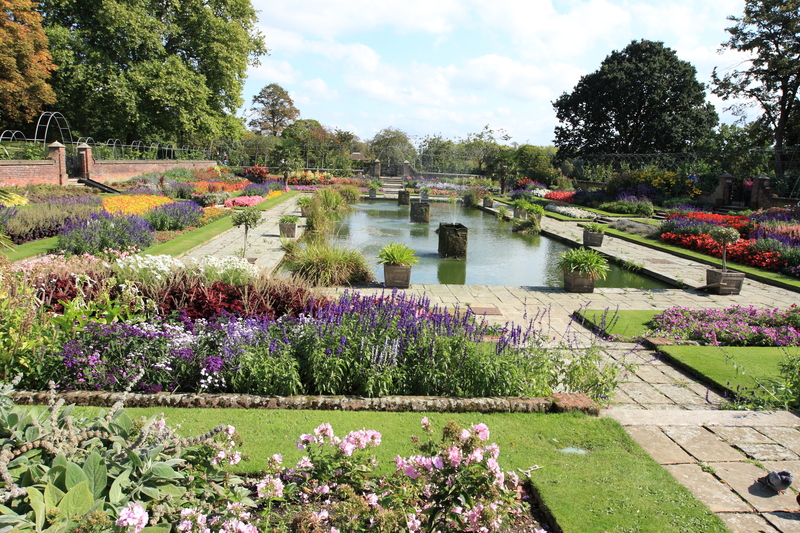
Achieving a gorgeous garden that's compatible with your dog's needs is not only possible--it's rewarding! Explore these design ideas to combine aesthetics with dog-friendly function:
- Structural Diversity: Blend raised beds, rockeries, and container gardens to add interest and offer protection for vulnerable plants.
- Layered Planting: Use tall shrubs or climbers at the back, with tough, low-growing plants in traffic-prone areas.
- Defined Zones: Use trellises or hedges to visually separate your entertaining, gardening, and pet zones.
- Comfortable Seating: Ensure you have a comfortable spot from which to keep an eye on both your garden and your companion.
Year-Round Garden Care with Dogs
Seasonal changes impact your gardening routine and your dog's interaction with the outdoor space:
Spring
- Check fences and beds for winter damage before letting your dog roam unsupervised.
- Incorporate new, dog-safe plants to refresh borders and beds.
- Watch for spring bulbs--many are toxic if ingested (e.g., daffodils, tulips).
Summer
- Provide ample shade and water to prevent heat stress.
- Supervise during pesticide or fertilizer application.
- Groom regularly to minimize shedding in beds and lawns.
Autumn
- Rake leaves promptly--molds can develop quickly and are potentially harmful.
- Harvest any edible produce before your dog can access it.
- Secure compost bins against scavenging.
Winter
- Keep pathways clear of ice and snow for safe play.
- Beware of commercial deicing salts--they can hurt paws and be toxic if licked. Use pet-safe alternatives.
- Begin planning next year's planting, considering your dog's evolving habits and preferences.
Benefits of Gardening with Dogs
Beyond the practicalities, gardening with dogs strengthens your bond, gets you both outdoors, and can improve your dog's physical and mental wellbeing. Activities like digging, sniffing, and exploring are natural and satisfying for dogs, while the presence of your pet brings companionship and joy to every gardening task.
- Shared time outdoors builds positive associations.
- Regular garden play provides healthy exercise and mental stimulation.
- Caring for your garden together fosters teamwork and mutual respect.
Ultimately, creating a spectacular outdoor haven that includes your dog is a rewarding way to blend your passions for plants and pets. Success comes from patience, training, design, and a willingness to adapt as your garden and your dog's needs evolve.
Frequently Asked Questions about Mastering Gardening with Dogs
Can I have a vegetable garden with a dog?
Absolutely! Many dog owners grow productive vegetable gardens by using raised beds, secure fencing, and training their dogs to stay out of the planting area. Always research which vegetables are safe if your dog happens to sneak a snack.
What common garden products are dangerous to dogs?
Avoid cocoa mulch, snail bait, commercial fertilizers, and chemical pesticides. Even "organic" products should be checked for pet safety--iron-based or pyrethrin insecticides can also be harmful.
How can I prevent my dog from trampling plants?
Create clear, enticing paths for your dog, use raised beds or sturdy edging for borders, and reinforce with positive training.
Is it possible to stop dogs from digging in the garden?
You can minimize unwanted digging by addressing boredom, providing designated digging spots, and gently redirecting your dog's focus to approved areas. Consistent, positive reinforcement is essential.
Conclusion: Achieving Harmony in Your Garden
Mastering the art of gardening with dogs is a joyful journey--one that involves understanding your dog's instincts, designing with intention, and nurturing an environment where both flora and furry friends thrive. With the comprehensive strategies and thoughtful plant choices above, you can transform any outdoor space into a safe, beautiful, and dynamic haven for the entire family.
So, grab your gloves, leash up your canine companion, and embark on the fulfilling adventure of creating a garden that truly works for dogs and humans alike. Happy gardening!
Latest Posts
Inspiring Garden Seating Concepts for Ultimate Relaxation
Indispensable Tools for Every Gardener
Unveil serenity in your yard with Zen landscaping